Symbiotic Nitrogen Fixation
Symbiotic Nitrogen Fixation
(Rhizobium–legume interaction, nodule formation, leghaemoglobin function)
Symbiotic nitrogen fixation is a biological process in which certain microorganisms convert atmospheric nitrogen (N₂) into ammonia (NH₃) while living in a mutually beneficial association (symbiosis) with plants.
- Atmospheric nitrogen (N₂) is inert and cannot be directly used by plants.
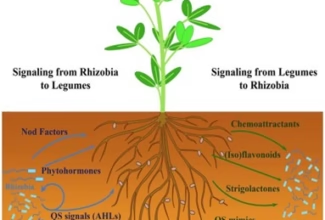
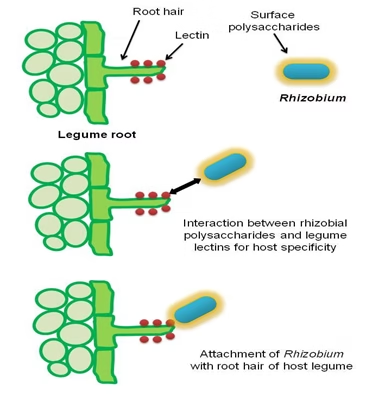
- Symbiotic bacteria (like Rhizobium) live inside plant roots.
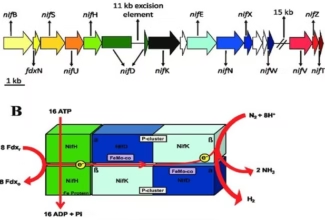
- These bacteria possess the enzyme nitrogenase, which converts:
N₂→NH₃
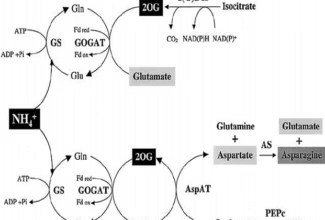
- The ammonia is then assimilated into amino acids and other nitrogenous compounds.
It occurs in
- Mainly in leguminous plants (e.g., peas, beans, clover).
- Specialized structures called root nodules are formed.
- Inside nodules, bacteria differentiate into bacteroids (active nitrogen-fixing form)