
Microbial Physiology and Metabolism
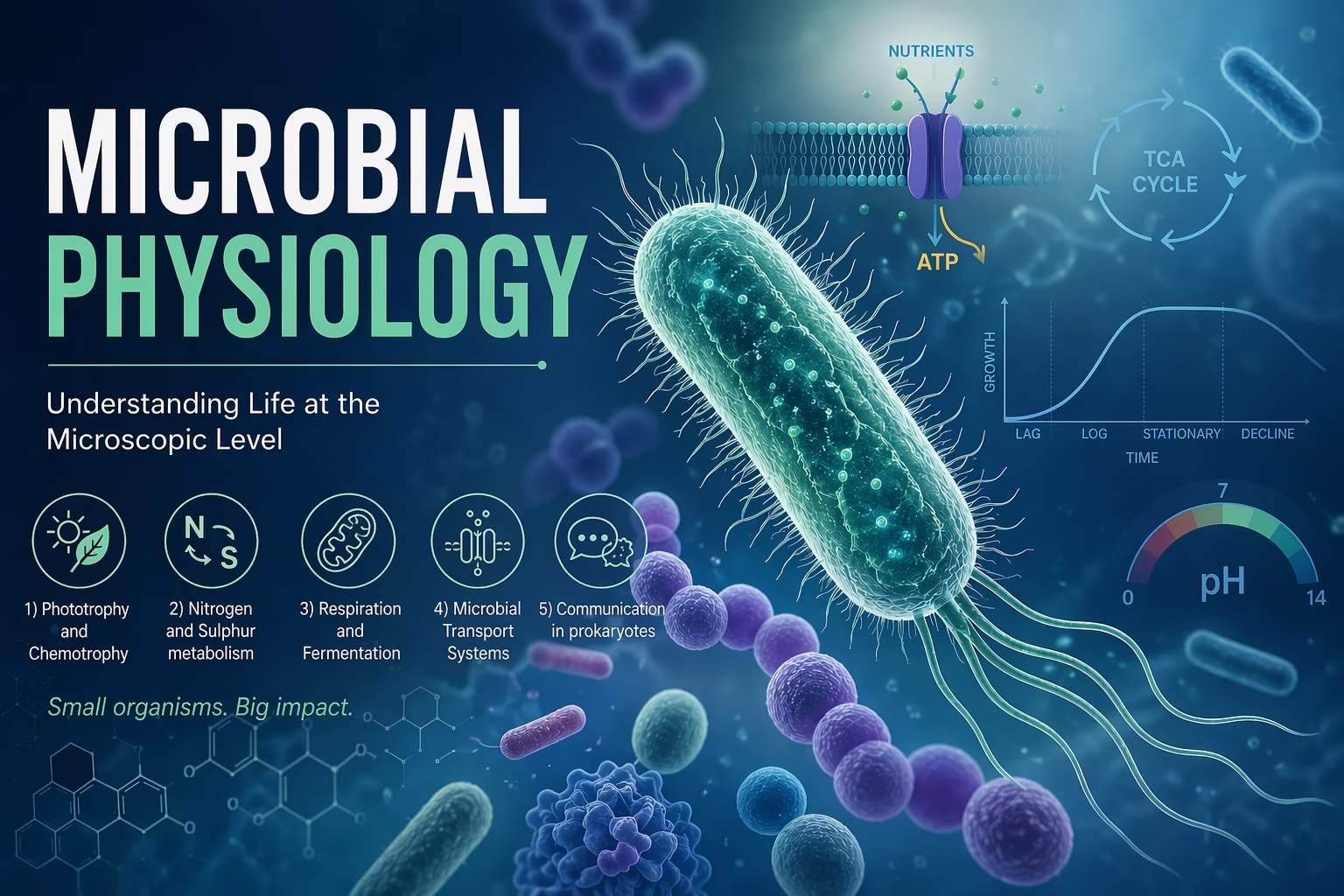
Unit I – Phototrophy and Chemotrophy
Cyclic and non-cyclic photophosphorylation, proton motive force generation, and CO₂ fixation pathways. Chemolithotrophy: ecological role and energy yield, Sulfur, iron, hydrogen, and nitrogen oxidation pathways; Methylotrophy: C₁ metabolism, methanotrophy, and energetics; methanogenesis in archaea: biochemistry, coenzymes (F₄₂₀ and coenzyme M), and regulation.
Unit II – Nitrogen and Sulfur Metabolism
Genetics of nitrogen fixation: nif and fix gene clusters, regulation (NifA, NifL, and environmental control), symbiotic nitrogen fixation: Rhizobium–legume interaction, nodule formation, and leghemoglobin function. Nitrate/nitrite assimilation and dissimilation, ammonium assimilation (GS-GOGAT pathway, GDH pathway), and regulation of nitrogen metabolism (ntr system, PII proteins). Assimilatory and dissimilatory sulfate reduction pathways, Biosynthesis of cysteine and methionine, Glutathione biosynthesis and function in oxidative stress and sulfur
homeostasis.
Unit III: Respiration and Fermentation
Anaerobic respiration: alternative electron acceptors (nitrate, fumarate, sulfate, CO₂, metals), ecological significance. Mechanism of oxygen toxicity and microbial defenses (superoxide dismutase, catalase, peroxidases). Biochemistry of lactic acid, alcoholic, mixed acid, butanediol, propionic acid, and butyric acid fermentations; fermentation of amino acids (Stickland reactions); industrial relevance of fermentative pathways.
Unit IV – Microbial Transport Systems
Principles of membrane transport, Donnan equilibrium, thermodynamics of transport. Passive and facilitated diffusion and primary and secondary active transport. Group translocation: phosphoenolpyruvate-dependent phosphotransferase system (PEP–PTS) and its role in catabolite repression. ABC transporters: structure, function, and regulation. Protein secretion pathways in
bacteria (Sec, Tat, Type I–VI secretion systems).
Unit V: Communication in prokaryotes
Intercellular signaling: pheromone-mediated communication, quorum sensing (AHLs, oligopeptides, AI-2 signaling), biofilm formation. Intracellular signaling: two-component regulatory systems, phosphorelays, and secondary messengers (c-di-GMP, ppGpp, and cAMP). Crosskingdom signaling between microbes and hosts/plants.