Citric acid cycle, Its function in energy generation and providing precursors for biosynthetic pathways; Anaplerotic reactions
Carbohydrate catabolism II: Citric acid cycle, Its function in energy generation and providing precursors for biosynthetic pathways; Anaplerotic reactions
Tricarboxylic acid (TCA) also known as Citric acid cycle or Krebs cycle.
- Discovered in 1937 by Hans Adolf Krebs for which he received the Nobel Prize for Physiology and Medicine (1953).
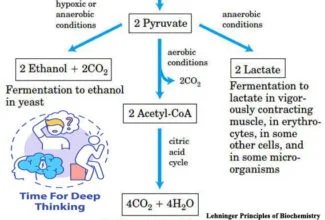
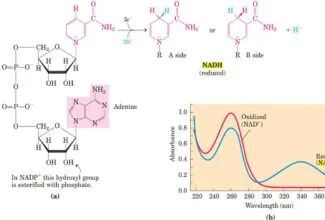
- A series of eight chemical reactions occurs in all the aerobic organism to generate energy through the oxidation of acetyl- CoA derived from carbohydrates fats and proteins into carbon dioxide, reducing equivalents (FADH2 and NADH+H+) and chemical energy in the form of GTP.
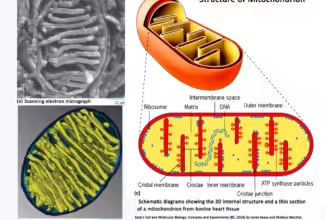
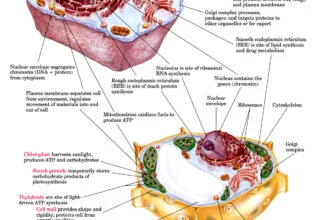
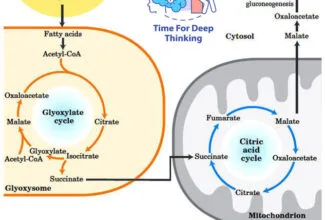
- Operates in the mitochondrial matrix.
- Strictly oxygen dependent
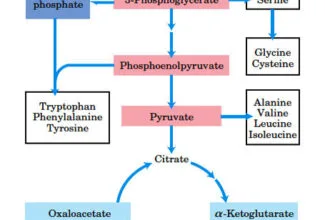
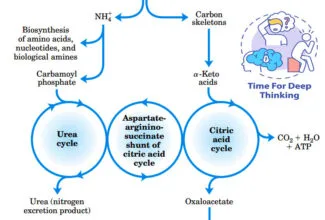
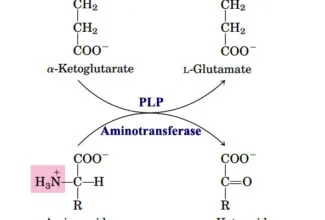
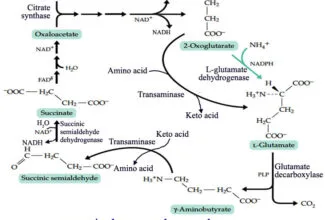
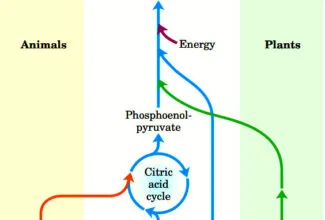
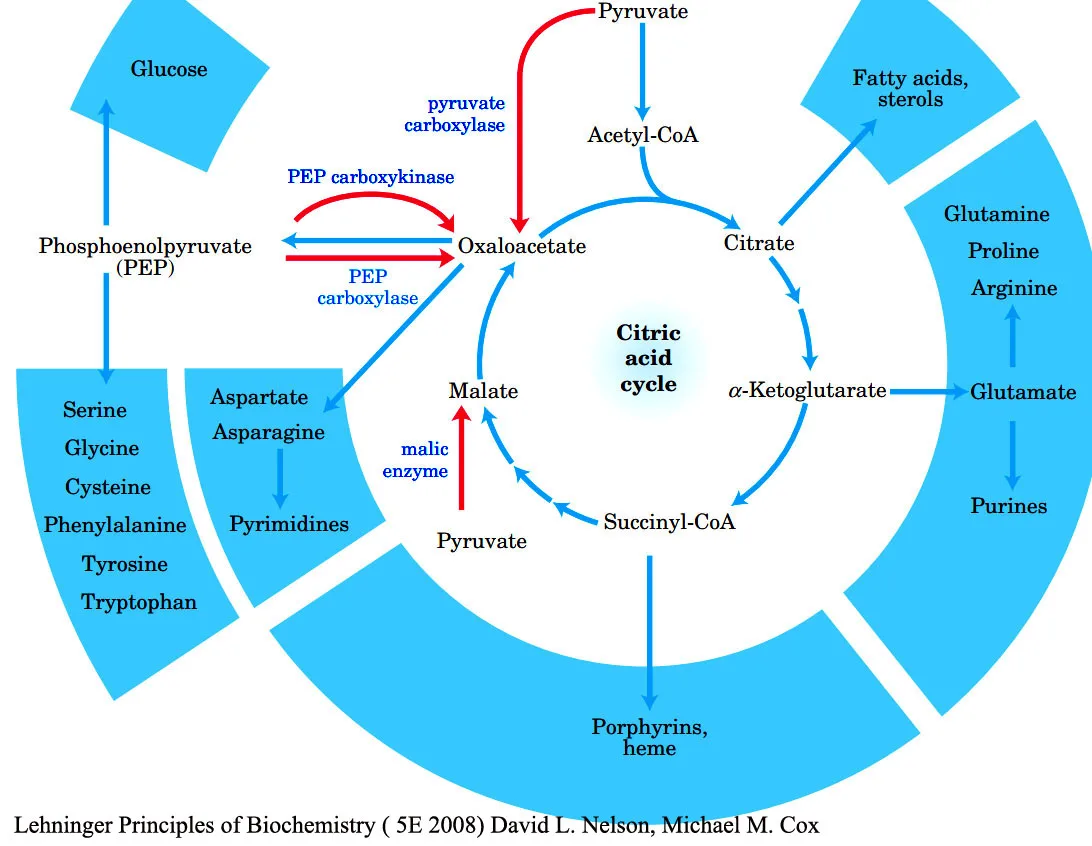
- Hub in metabolism, with degradative pathways leading in and anabolic pathways leading out.
- Closely regulated in coordination with other pathways